Cooking Up Futures Project
Sezgi D. Özkan & Suna Gülfer Ihlamur Öner
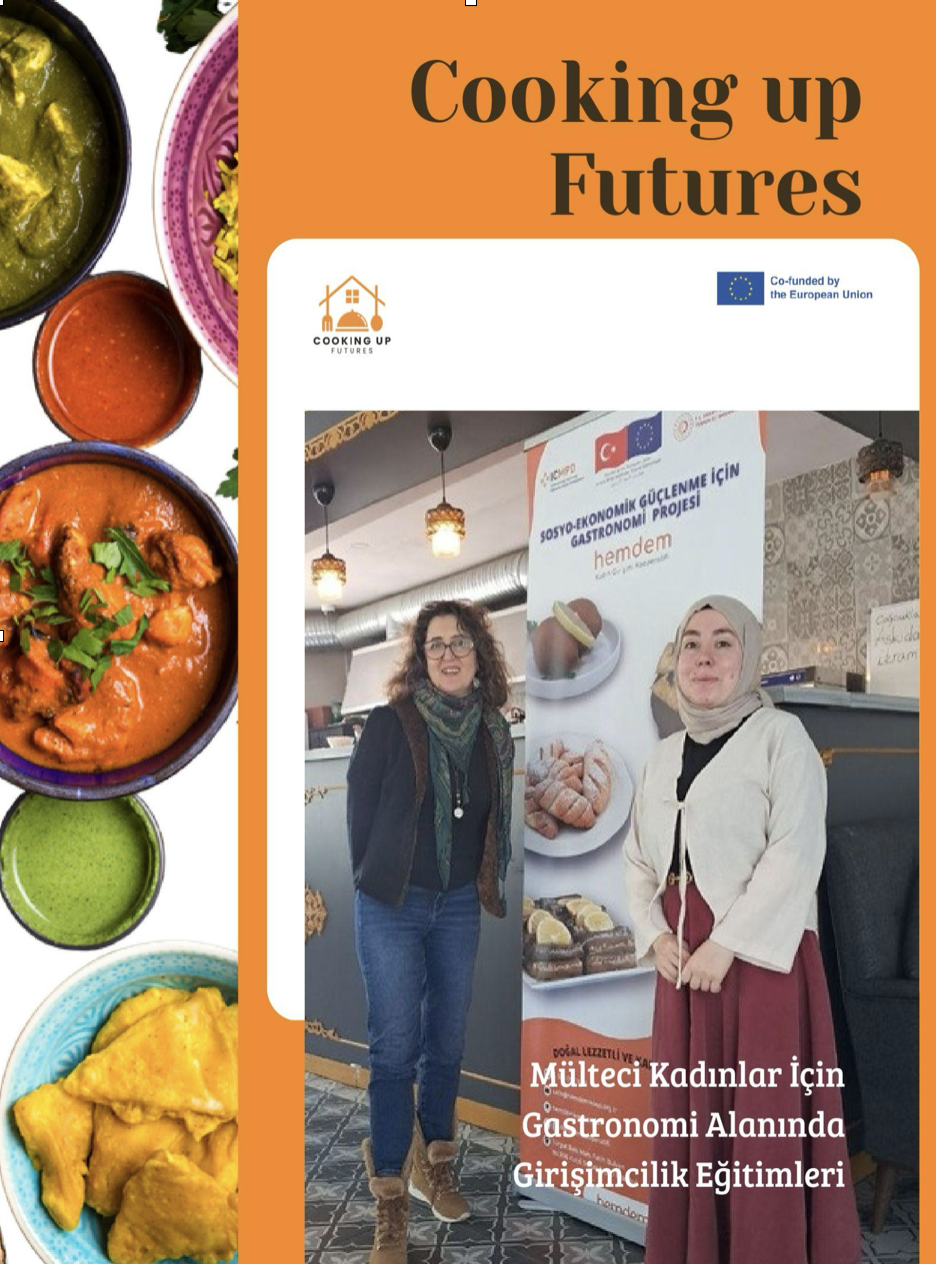
The "Cooking Up Futures" project, funded under the Erasmus+ KA220-ADU (Adult Education) category, officially begins its journey to provide migrant women with the tools to turn their culinary heritage into sustainable livelihoods. The project, which officially kicks off on December 1, 2025, and will run until November 30, 2027, aims to create a more participatory integration model. Rather than focusing solely on language or basic vocational skills, "Cooking Up Futures" bridges the gap between traditional cooking and modern business management.
Objectives
The "Cooking Up Futures" project aims to empower refugee women by providing entrepreneurial, financial, and digital skills, enabling them to create sustainable culinary businesses. It promotes economic independence, social inclusion, and cultural exchange through training, mentorship, and real-world experiences, enhancing their confidence, business readiness, and community engagement.
Activities
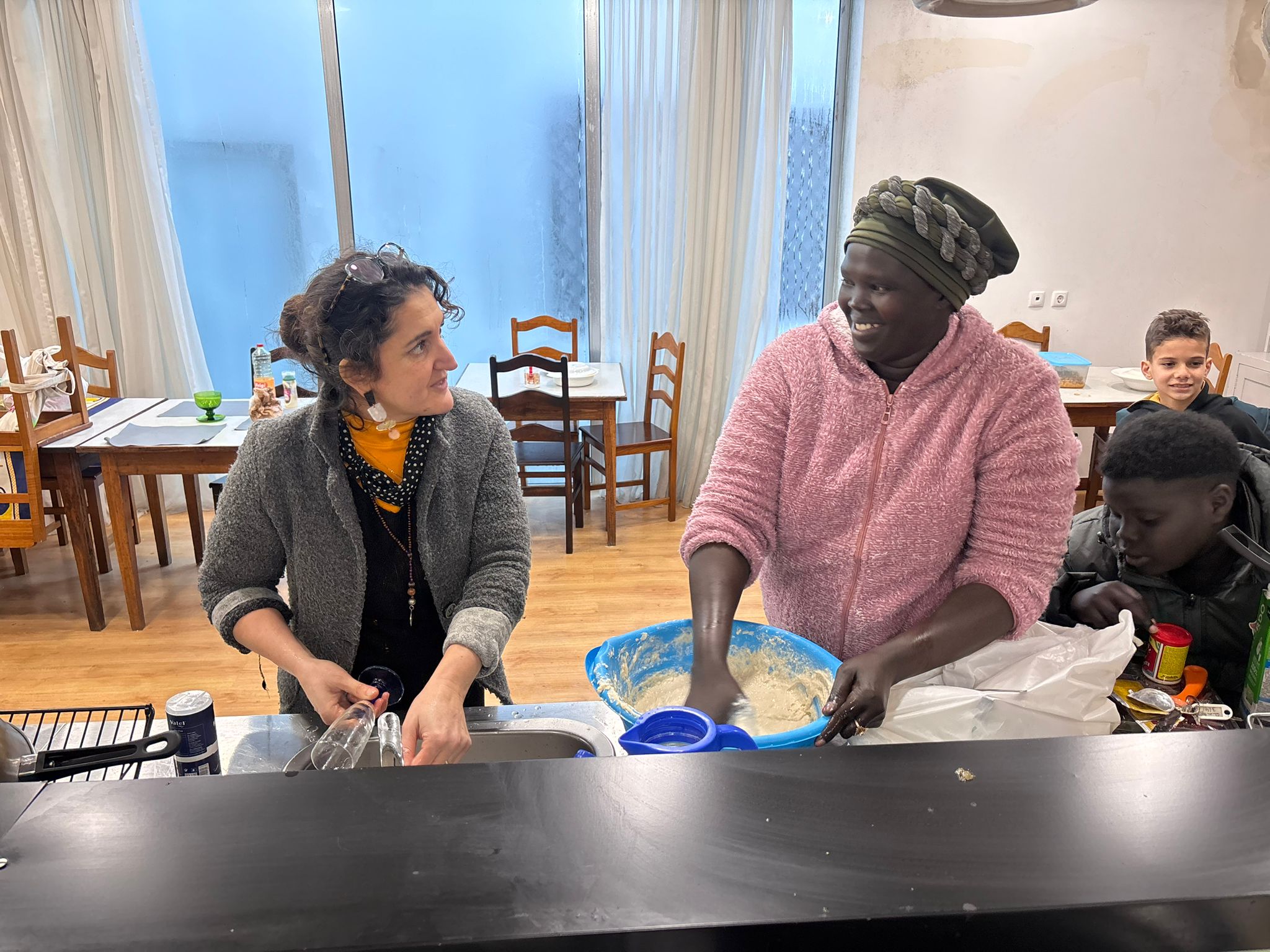
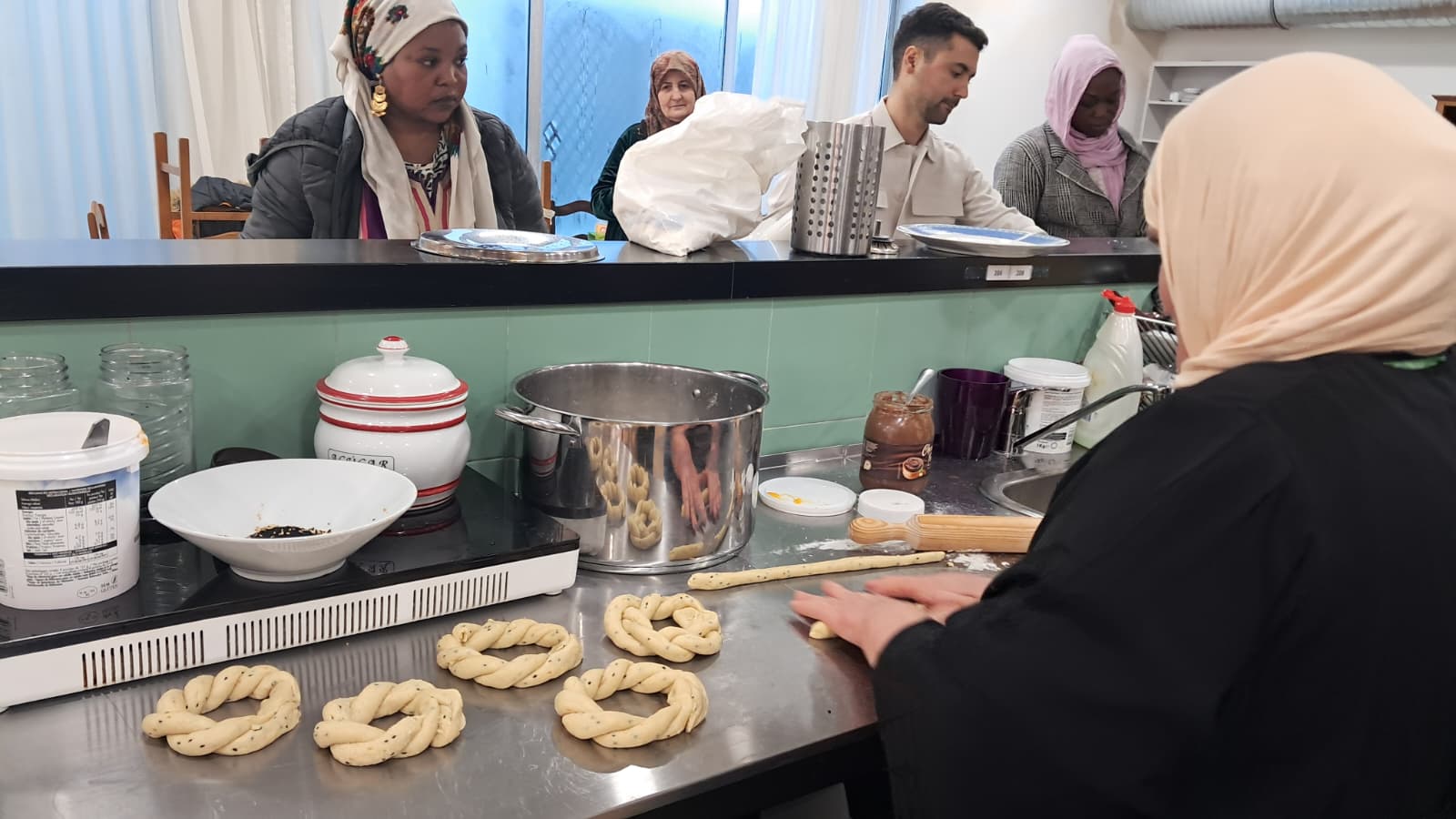
The "Cooking Up Futures" project includes training sessions, mentorship programs, practical cooking workshops, and pop-up restaurant events. Activities involve business planning, financial management, digital marketing, and securing funding opportunities. The project also includes multiplier events to showcase results and promote social inclusion through community engagement.
Impact
The project will result in 60 refugee women trained, 12 business plans developed, 12 mentors engaged, 6 pop-up events, and 6 multiplier events. Expected outcomes include increased business readiness, economic independence, social inclusion, and a sustainable mentorship network, promoting entrepreneurship and community engagement.
A Strong International Partnership
The project brings together a diverse group of experts from across Europe. Marmara University Faculty of Political Science, Political Science and International Relations Department proudly represents the Türkiye leg of the consortium, lending academic and strategic expertise to the social integration framework.
The collaborative effort includes partners from six countries:
-
Türkiye: Marmara University
-
Portugal: Adolescere (Project Coordinator)
-
Austria: InterAktion
-
Belgium: Zone Femmes
-
Poland: Polivision
-
Spain: Asociación Gastronómica Europea (AGE)
.jpeg)
Update - 15.09.2026
Overall Assessment and Implications for the Next Stage
The consultations in the field have contributed to a significant refinement of the initial concept of a cooking and entrepreneurship course, resulting in a broader, participant-centred capacity-building model. The findings indicate that the proposed programme should integrate three mutually reinforcing dimensions:
(i) skills development and access to economic opportunities;
(ii) social interaction, participation and empowerment; a
(iii) sustainable networks, mentoring and support mechanisms.
This integrated approach is considered essential to ensuring that the programme responds effectively to participants’ identified needs while also contributing to longer-term social and economic inclusion.
The next stage should therefore focus on translating these principles into a coherent and modular training framework, with clearly defined learning objectives, target competencies, delivery methods and expected outcomes. Particular attention should be given to identifying and engaging appropriately qualified trainers and mentors within Marmara University and, where relevant, through external partnerships. Such partnerships could provide additional technical expertise and resources, including through voluntary engagement and corporate or institutional social responsibility initiatives.
The emerging engagement with the Faculty of Management represents an important institutional opportunity for strengthening the business development and entrepreneurship component of the programme. Further collaboration with relevant academic units and external stakeholders should be explored to ensure that the curriculum incorporates the range of competencies identified through the consultations. These include culinary and food-related skills, entrepreneurship and business management, legal and regulatory knowledge, digital competencies, language skills, mentoring, and social and professional development.
A key finding emerging from the fieldwork is the importance of adopting a participatory and needs-based approach to programme design. The programme should be developed with women rather than simply for women, ensuring that participants’ existing knowledge, skills, aspirations, constraints and proposed solutions continue to inform the development and adaptation of the curriculum. This approach is expected to strengthen participant ownership, relevance and engagement, while also supporting the programme’s principles of inclusion and empowerment.
The intended outcomes should extend beyond the acquisition of vocational skills. The programme should contribute to the development of pathways towards sustainable professional, economic and social opportunities, enabling participants to build upon their existing knowledge and capabilities and, where appropriate, translate these into income-generating activities, employment opportunities, entrepreneurial initiatives or further professional development.
In this context, Cooking Up Futures should be understood not solely as a vocational training intervention, but as an ecosystem-building initiative that facilitates connections among women participants, academic institutions, trainers, mentors, businesses, municipalities, civil society organisations and other relevant stakeholders. Strengthening these connections can support access to knowledge, infrastructure, professional networks and potential employment or entrepreneurship opportunities, thereby increasing the potential for longer-term impact.
Finally, sustainability should remain a key consideration in the design of the next stage. The continuation of benefits beyond the formal training and project implementation period will depend on the establishment of durable institutional and stakeholder relationships, continued access to relevant resources and mentoring, and opportunities for participants to remain connected to professional and peer networks. The next phase should therefore identify concrete mechanisms for maintaining these relationships and opportunities beyond the lifetime of the project, including potential institutional partnerships, alumni or peer networks, mentoring arrangements and links with relevant local and private-sector actors.
Overall, the consultation process provides a strong basis for moving from the initial concept towards a more structured, inclusive and sustainable intervention model. The next stage should build on this evidence by defining the programme’s operational framework, stakeholder roles, expected outcomes and sustainability mechanisms, while maintaining a participatory approach throughout implementation.
Bu sayfa Siyaset Bilimi ve Uluslararası İlişkiler - İngilizce Bölümü tarafından en son 18.09.2026 16:14:42 tarihinde güncellenmiştir.


